Is Rwandan Youth Really Poor? Statistics, Voices of Youth, and Government Perspective
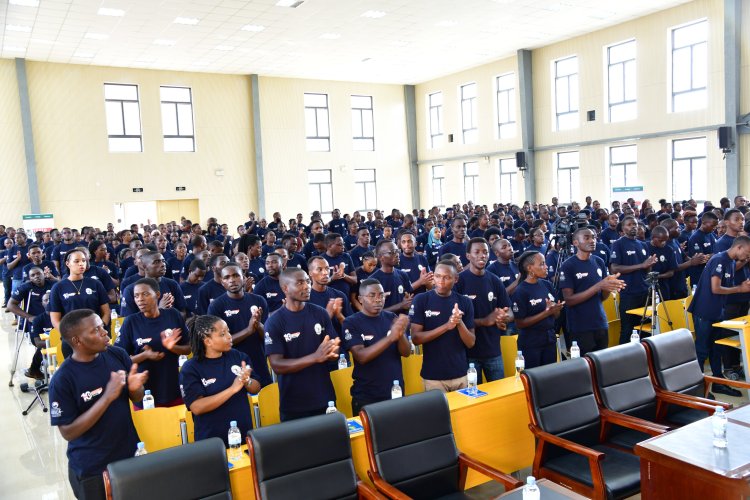
In Rwanda, youth continue to face challenges related to poverty and difficult living conditions, but statistics paint a mixed picture. While nearly one in four young people still live below the poverty line, there has been noticeable progress in access to financial services, training, and education. Many young people say the problem is not a lack of knowledge, but the limited opportunities for employment and investment, while government authorities emphasize the need for sustainable strategies to support youth development.
The EICV7 (Integrated Household Living Conditions Survey 2023/24) report shows that 24.7% of Rwandans aged 16 to 30 live in households below the poverty line. This means nearly a quarter of youth still struggle with poverty, although the overall national poverty rate has decreased to 27.4%. Other studies indicate that about 18–20% of youth are unemployed, especially recent graduates, leaving many with limited opportunities to earn a stable income. This contributes to ongoing hardship, even as general poverty rates show improvement.
Young people themselves say that statistics only tell part of the story, and daily life reflects many challenges. Aline Uwase, 25, based in Kigali, explains that despite her communications skills, she has been searching for work for two years without success. She says:
“Even though I have a degree in communications, I have not found a stable job. I often struggle to manage daily life, and even though my parents work, the money we get is not enough for everyday needs.”
Another young person, Jean Claude Niyonsenga, 27, says the issue is not education but the lack of sufficient opportunities. He says:
“I have good skills, but most jobs require experience or fees for registration. This leaves many of us trapped in poverty and poor living conditions.”
Many young men and women add that the rising cost of living makes it hard to afford basic necessities like food and housing, and despite the availability of some training programs, survival remains a challenge for those without stable salaries.
On the other hand, the government emphasizes that youth challenges are not just about poverty, but also about access to employment and the ability to start small businesses. The Ministry of Youth and Information Technology (MYICT) notes that there are many programs aimed at helping youth access training, support small business initiatives, and facilitate financial services. Jean Pierre Nsengimana, a ministry official, says the government appreciates progress in reducing overall poverty, but stresses that youth need sustainable opportunities for jobs, specialized training, and support for entrepreneurship. He adds that continued collaboration with private companies, schools, and banks is key to expanding access to financial services and labor markets.
Research shows that while youth poverty remains, the picture is mixed: there is progress in reducing overall poverty, but young people still face obstacles in accessing employment and opportunities, leaving many living under difficult conditions. It is crucial that government, private sector, schools, and youth themselves work together to find lasting solutions, including training aligned with labor market needs, support for small businesses, and active participation in national planning to ensure sustainable development reaches Rwanda’s youth.

